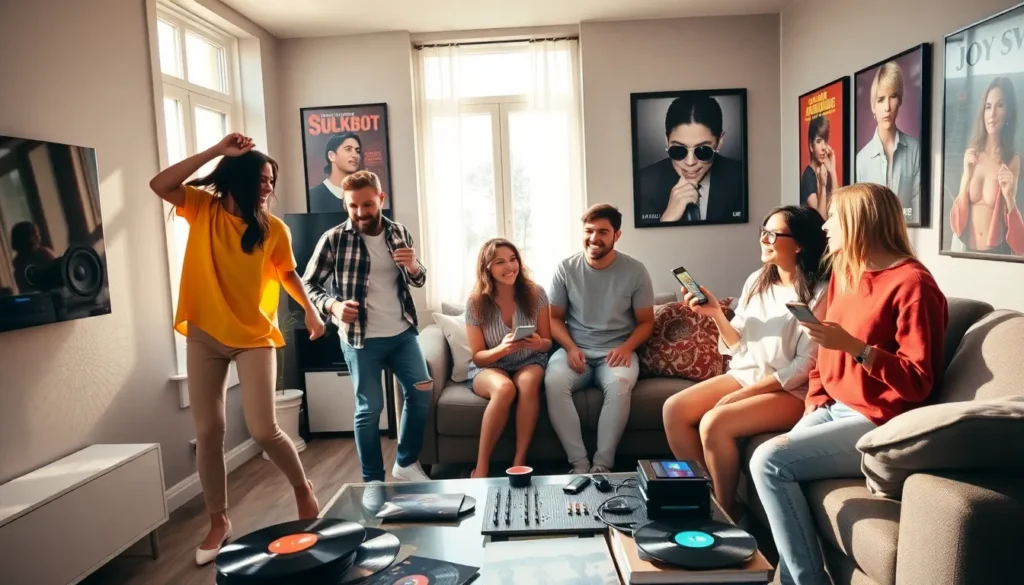
In a world where every second seems to spawn a new trend, pop culture music serves as a vibrant soundtrack that reflects the very essence of our society. Picture this: Dancing in your kitchen to the latest viral hit while pondering life’s mysteries, like why sock pairs seem to vanish into thin air. Pop culture music isn’t just about catchy hooks and danceable beats: it’s about stories, emotions, and the crazy moments that define us. Whether you’re a casual listener or a die-hard aficionado, buckle up, because this article will take you through the dynamic landscape of pop culture music, exploring its evolution, key genres, and influential narratives that make it an indispensable part of our lives.
The Evolution of Pop Culture Music
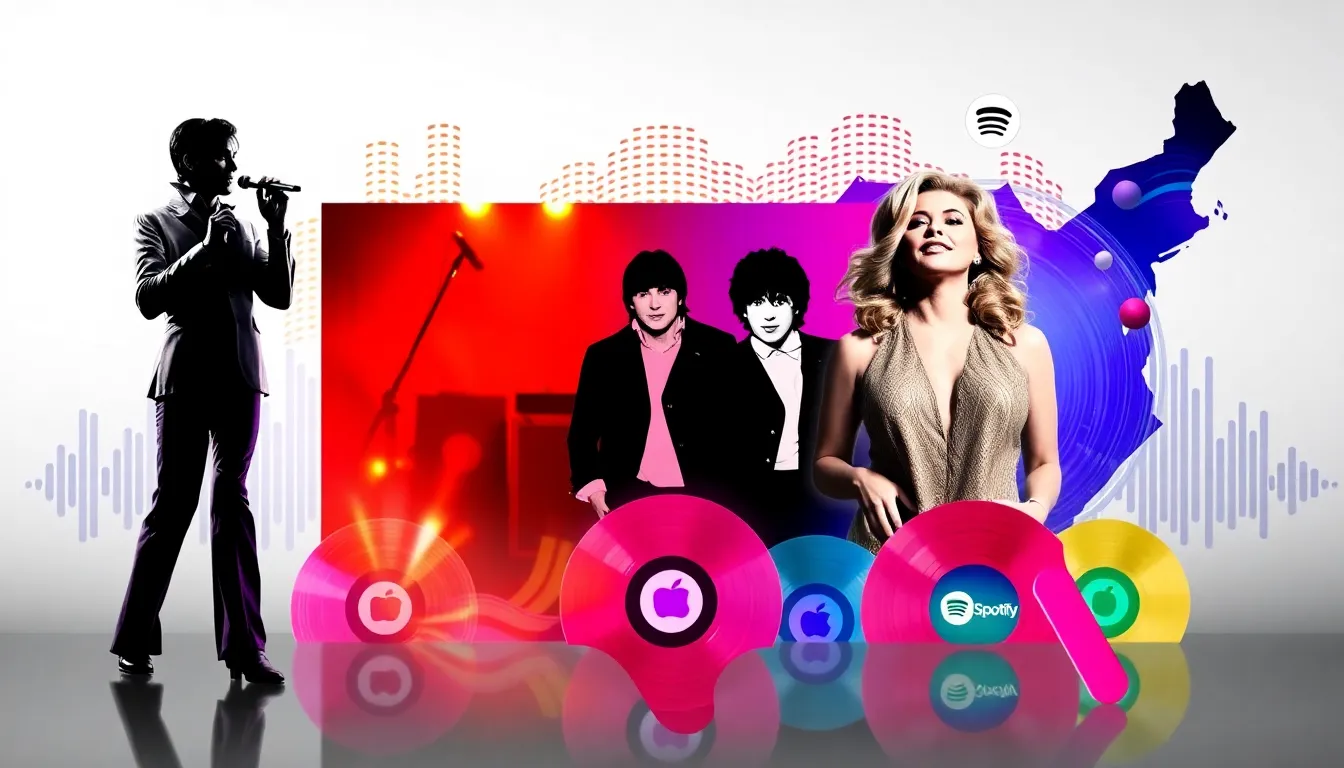
The journey of pop culture music is akin to a vinyl record spinning through time, filled with ups and downs, scratches and smooth grooves. This rich tapestry began to take shape in the mid-20th century, a period often hailed as the golden age of pop music. Artists like Elvis Presley broke down barriers, blending genres and appealing to a broad audience.
The 1960s ushered in the British Invasion, where bands like The Beatles and The Rolling Stones redefined what pop culture music could be. Their sound didn’t just resonate: it became the anthem of a generation yearning for change. By the 1980s, the explosion of MTV led to a visual revolution, making music videos a crucial component of the listening experience. Artists like Madonna understood this well, using the medium to push boundaries.
Fast forward to the digital age, where music consumption underwent a seismic shift. The rise of platforms like Spotify and Apple Music transformed how listeners access their favorite tracks. Now, music is more instantly available than ever, a far cry from the days of waiting by the radio for your favorite song to play.
Key Genres that Shaped Pop Culture
Pop culture music is not a monolithic entity: instead, it’s a cornucopia of genres that have each left their mark. From rock to hip-hop, these styles have woven in and out of mainstream consciousness.
Rock music has been a driving force since the 1950s, continuously evolving while influencing countless artists. Think of legendary acts like Nirvana and Queen, whose sounds impacted not only music but also fashion and youth culture. On the flip side, hip-hop emerged in the late 1970s, rapidly finding a place in every corner of the globe. Artists like Jay-Z and Beyoncé have not just dominated charts: they’ve also shaped conversations around identity, politics, and empowerment.
In recent years, electronic dance music (EDM) has captured the public’s imagination, turning festivals into immersive experiences. The genre’s infectious beats and gatherings have fostered a sense of community among fans, further solidifying its place in pop culture.
Influential Artists and Their Impact
When discussing pop culture music, it’s impossible to overlook the influence of key artists who have shaped its evolution.
Take Michael Jackson, for example. His revolutionary dance moves and groundbreaking music videos set standards that resonate even today. Tracks like “Thriller” didn’t just top charts: they created a multi-genre epic that broke barriers. Then there’s Prince, whose unique blend of funk, rock, and pop transcended traditional music categories, influencing generations of artists that followed.
Fast forward to contemporary icons like Taylor Swift and Drake, who have mastered the art of storytelling through their music. Swift’s evolution from country roots to pop sensation mirrors broader cultural shifts, while Drake’s lyrical prowess speaks to the complexities of modern relationships. Their contributions to pop culture extend far beyond their songs, influencing fashion, social media trends, and even political dialogues.
The Role of Technology in Music Consumption
Technology plays an indispensable role in how pop culture music is consumed today. Gone are the days when listeners had to scour record stores for their favorite albums. Now, a simple click can unlock an entire library of music at one’s fingertips. Streaming services have revolutionized not just accessibility, but how artists distribute their work.
Platforms like TikTok have become the new radio, where songs can go viral overnight. A catchy sound might be featured in a dance challenge, propelling it to the top of the charts. The artistic cycle has sped up, making instant gratification a hallmark of music today. This accelerated pace, while exciting, also poses challenges, as artists navigate the ever-shifting landscape of trends and audiences.
Also, social media has empowered fans to interact with their favorite artists in unprecedented ways. Engagement on platforms like Instagram and Twitter has created a more intimate relationship, allowing fans to feel connected to the creative process.
Pop Culture Music in Television and Film
Pop culture music’s influence seeps into television and film, cementing its status as an essential component of modern storytelling. Think about it: how many iconic scenes can be vividly recalled thanks to a carefully selected soundtrack? From the emotional weight of a ballad in a romantic scene to the adrenaline-pumping beats in action sequences, music heightens the narrative experience.
Shows like “Stranger Things” artfully blend retro tracks with contemporary storytelling, tapping into nostalgia while simultaneously appealing to new audiences. Likewise, films like “Guardians of the Galaxy” use carefully curated playlists to create whole new worlds, allowing music to become a character in its own right.
The crossover between music and visual media has rendered artists more recognizable than ever. Collaborations between musicians and filmmakers not only keep pop culture music relevant, but also amplify its reach, introducing timeless tracks to new generations.
The Future of Pop Culture Music
As we peer into the future of pop culture music, one thing is certain: it will continue to evolve in unpredictable ways. The COVID-19 pandemic reshaped many aspects of life, including how music is created and distributed. Virtual concerts became the norm, highlighting the resilience of artists and their desire to connect with fans.
Also, the potential for artificial intelligence in music production raises intriguing questions. Will we see AI-generated hits topping the charts, or will human emotion remain irreplaceable in music? As the industry adapts to technological advances, the essence of pop culture music, as a reflection of society, will undoubtedly remain intact.