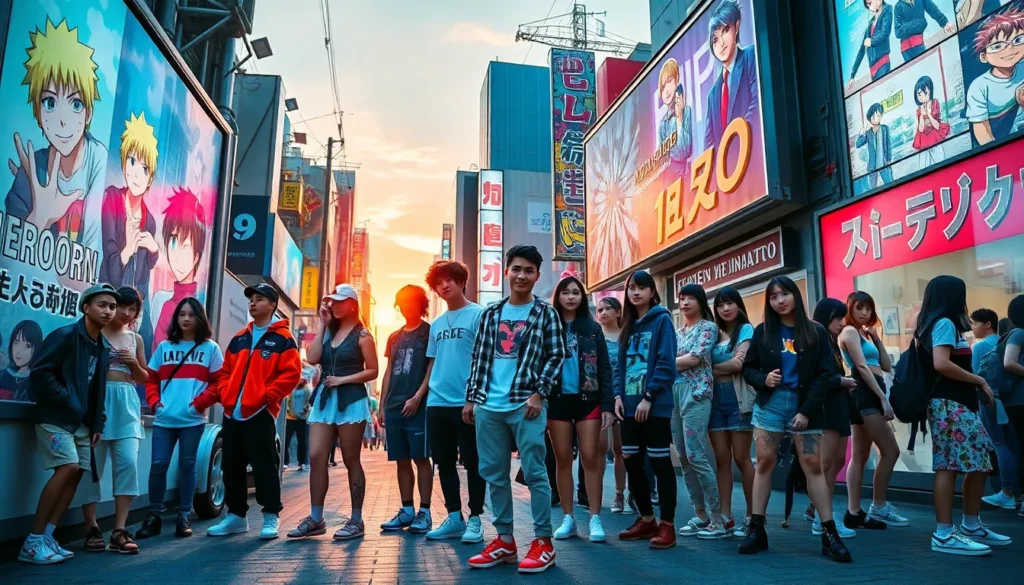
Japan’s pop culture isn’t just a phenomenon: it’s a delightful enigma that continues to captivate audiences worldwide. From the quirky antics typical of anime to the mesmerizing beats of J-pop, it’s no wonder folks find themselves caught in this colorful whirlwind. If you’ve ever wondered how Hello Kitty managed to make her way into your heart or why your friend can recite every Pokémon’s name, you’re not alone. Let’s jump into this rich tapestry of creativity, tradition, and social commentary that defines Japan’s cultural landscape and fuels our collective imagination.
The Evolution of Japan Pop Culture

Historical Context
Japan’s pop culture has deep roots that intertwine with its history. To understand the evolution, one must look back to the Edo period (1603-1868), where Ukiyo-e woodblock prints captured the vibrancy of urban life. These prints laid the groundwork for visual storytelling in Japan, influencing modern manga and anime. After World War II, the introduction of American media brought fresh influences, blending with homegrown traditions to create something entirely new.
Key Influences on Pop Culture
Various elements shaped Japan’s pop culture. Notably, globalization played a pivotal role, allowing Japanese creators to experiment with international styles. In the 1970s, industries began to flourish: anime emerged as a new artistic medium, drawing on both Eastern philosophies and Western techniques. This rich confluence continues to nourish Japan’s creative output, transforming the landscape into a vibrant hub of inspiration.
Major Segments of Japan Pop Culture
Anime and Manga
Anime and manga are perhaps the most recognizable exports of Japan’s pop culture. They offer unique perspectives and storytelling techniques that charm millions worldwide. Genres range from shonen action to shojo romance, ensuring there’s something for everyone. Iconic titles like “Naruto” and “My Hero Academia” often discuss themes of friendship and perseverance, resonating with audiences across cultures.
J-Pop and Music Trends
Walk through any Japanese city, and you’ll likely hear J-pop pulsating from storefronts. The genre combines catchy melodies with intricate choreography. Artists like Namie Amuro and Arashi have dominated charts, often influencing fashion trends and youth culture. Today, groups like BTS and BLACKPINK represent a growing intersection between J-pop and international music scenes, opening new avenues for collaboration.
Fashion and Street Style
Japan’s fashion scene showcases incredible diversity, from high-end luxury brands to daring street style. Harajuku, a district in Tokyo, is famous for its eclectic fashion choices where personal expression reigns supreme. Here, you’ll find everything from Gothic Lolita fashion to contemporary styles reflecting pop culture icons. This unique mélange influences fashion trends globally, challenging traditional norms.
Gaming and Technology
Next up is gaming, where Japan has long been a powerhouse. Companies like Nintendo and Sony have revolutionized how we interact with digital worlds, creating beloved franchises like “Super Mario” and “Final Fantasy.” The blend of cutting-edge technology with intricate storytelling propels video games into an art form enjoyed by millions, further solidifying Japan’s cultural significance in global entertainment.
Cultural Events and Festivals
Anime Conventions and Cosplay Events
Anime conventions are a massive part of Japan’s pop culture landscape. These events unite fans, cosplayers, and industry professionals, allowing an exchange of ideas and creativity that fosters community. Events like Comiket even feature DIY merchandise, empowering independent artists to showcase their work. Cosplay, or dressing as favorite characters, adds a playful dimension, allowing fans to embody their beloved heroes.
Music Festivals and Concerts
Similarly, music festivals in Japan attract huge crowds. From the iconic Summer Sonic to the immersive Fuji Rock Festival, these events often become platforms for both established and emerging artists. Fans gather not only to enjoy live performances but also as a celebration of collective culture that blurs generational lines.
Cultural Representation in Global Media
Impact on Western Culture
Japan’s pop culture has significantly impacted Western media. Films like “Spirited Away” won international acclaim, pushing the boundaries of animation as a serious art form. Also, video games and anime have influenced everything from Hollywood blockbusters to TV series, reflecting the universality of its themes and storytelling prowess.
Collaborations and Crossovers
Collaborations between Japanese and Western creators continue to rise, resulting in intriguing crossovers. An example is the joint efforts between Hollywood and Japanese studios, producing films that honor both cultures. Projects like the live-action adaptation of “Ghost in the Shell” showcase this growing synergy and spark interest across diverse fan bases.
The Future of Japan Pop Culture
Emerging Trends and Innovations
Looking ahead, Japan’s pop culture is poised for further evolution. Trends like virtual reality experiences and augmented reality games are capturing the imagination of younger generations. Creative endeavors are expanding to include more diverse voices, challenging the status quo and enriching the cultural narrative.
Global Expansion and Accessibility
Also, the global expansion of digital platforms makes it easier for fans worldwide to access Japanese pop culture. Services like streaming and online shopping help the distribution of anime, manga, music, and fashion, democratizing access. As cultural barriers continue to dissolve, tolerance and appreciation for Japanese pop culture will likely grow even more.