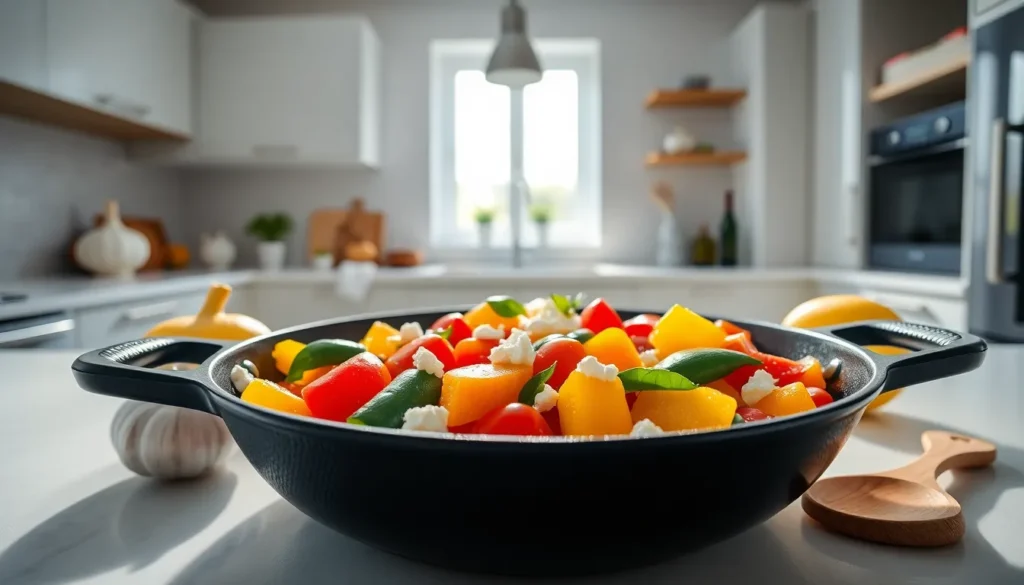
When it comes to cooking, wielding a skillet can feel like wielding a magic wand. With just a simple flick of the wrist, you can transform ordinary ingredients into extraordinary meals. And let’s face it, who wouldn’t want to toss everything into one pan? Not only does it reduce cleanup time, but healthy skillet recipes can also turn your mundane weeknight dinners into something exciting. Get ready to sauté, stir-fry, and savor your way to culinary bliss.
Benefits of Cooking with a Skillet
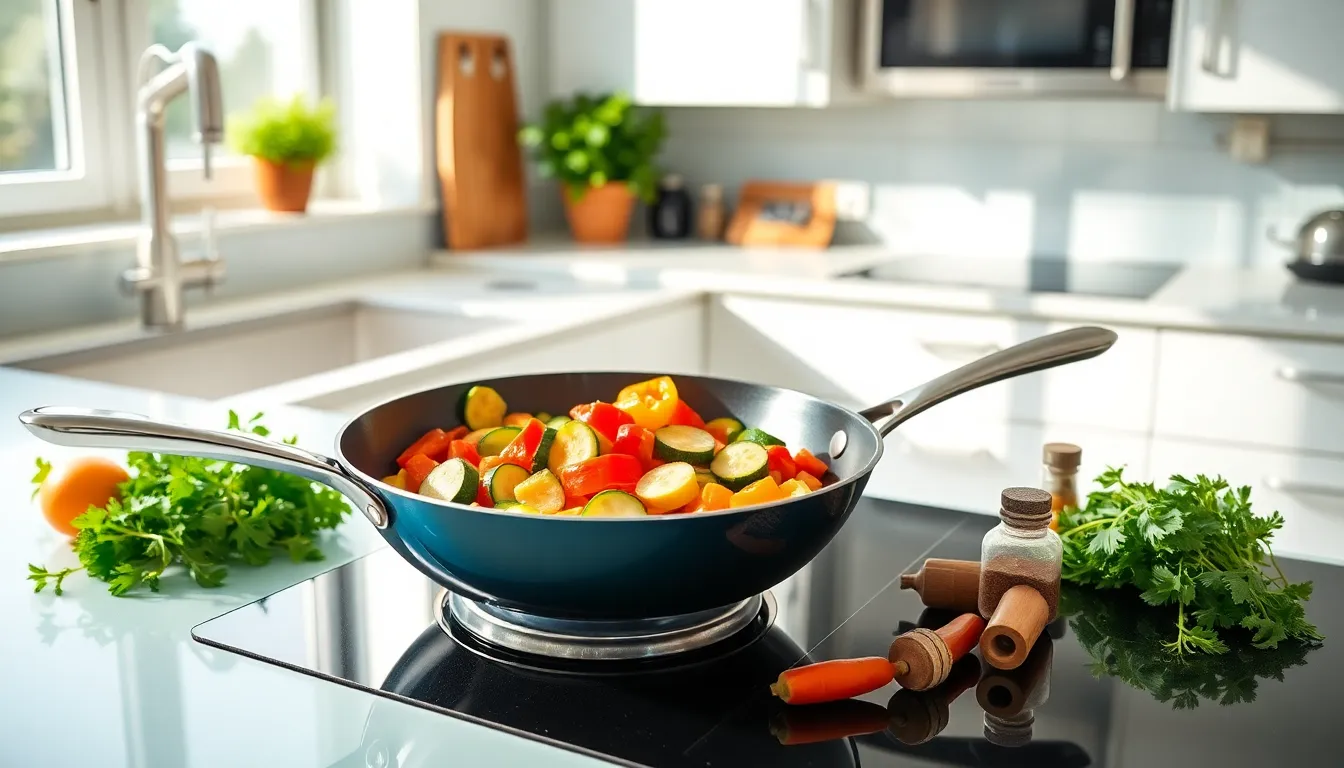
Nutritional Advantages
Cooking with a skillet doesn’t just make life easier: it also opens the door to a plethora of nutritional benefits. One of the biggest advantages is the ability to use minimal oil while maintaining rich flavors. This approach reduces calories and enhances the healthiness of your meals. Also, the quick cooking time helps retain essential nutrients that might be lost during longer cooking methods. Skillets are ideal for searing vegetables and proteins, sealing in juices and flavors while maximizing nutrient retention.
Time Efficiency
Let’s talk about time. Busy lives demand quick yet wholesome meals. A skillet can go from stovetop to table in minutes, making it an essential tool for anyone with a packed schedule. Whether it’s a quick breakfast or a late-night dinner, the skillet accommodates all needs without sacrificing flavor or nutrition. One-pan meals often mean less fuss and mess in the kitchen, less time cleaning means more time enjoying your meal.
Versatility in Cooking
Skillets stand out for their versatility in cooking. Whether you are in the mood for breakfast, lunch, or dinner, a simple skillet can whip up a feast. They are perfect for frying, searing, sautéing, and even baking in some cases. From breakfast egg scrambles loaded with veggies to evening stir-fries bursting with flavor, the possibilities are endless. You can easily switch ingredients based on what’s in your fridge, making it a fantastic solution for using up leftovers or seasonal produce. Also, you can take any dish from simple to sophisticated with just a few added herbs or spices. This adaptability makes skillets a must-have in every kitchen.
Ingredients for Healthy Skillet Recipes
Lean Proteins
Having lean proteins is key to creating satisfying skillet recipes. Whether it’s chicken breast, turkey, shrimp, or tofu, these proteins are health-packed yet light on calories. They cook evenly and absorb accompanying flavors beautifully, which leaves you with a delicious, nutrient-dense meal. Grilled or lightly sautéed, pair these proteins with bold spices for an exciting meal that doesn’t compromise on health.
Fresh Vegetables
Fresh vegetables are the stars in any skillet recipe. Packed with vitamins and minerals, they add not only flavor but also color and texture to the dish. Think bell peppers, zucchini, broccoli, or spinach, they bring a crunch and sweetness that are hard to resist. Sautéing vegetables in a skillet allows them to caramelize slightly, enhancing their taste and providing a delightful contrast to proteins.
Whole Grains and Legumes
Incorporating whole grains and legumes into skillet dishes can elevate the nutritional profile significantly. Quinoa, brown rice, lentils, and chickpeas not only offer fiber but also make meals more filling. They work fabulously well when cooked directly in the skillet, soaking up all the flavors of the other ingredients. You can create satisfying combinations that are both hearty and nutritionally balanced, perfect for any meal of the day.
Top Healthy Skillet Recipes to Try
One-Pan Quinoa and Vegetable Skillet
This vibrant dish is a celebration of colors and flavors. Begin by sautéing onions and garlic in your skillet until they’re fragrant. Add bell peppers, zucchini, and any other seasonal vegetables you fancy. Stir in cooked quinoa and let everything meld together with a splash of vegetable broth. Finish with a sprinkle of fresh herbs for a clean, nutritious meal.
Chicken and Broccoli Stir-Fry
For a classic yet quick meal, nothing beats a chicken and broccoli stir-fry. Cut chicken breast into bite-sized pieces and cook them until golden. Toss in broccoli florets along with soy sauce, garlic, and ginger. Stir-fry until the chicken is cooked through and the broccoli is tender yet crisp. Serve this over brown rice or quinoa for a complete meal.
Mediterranean Chickpea Skillet
Chickpeas take center stage in this Mediterranean-inspired dish. Start by sautéing onions and garlic, then add drained chickpeas, diced tomatoes, olives, and spinach. Season with oregano, basil, and a squeeze of lemon juice for a refreshing touch. This recipe is not only quick but also a fantastic meatless option, perfect for a healthy dinner.
Cooking Tips for Perfect Skillet Meals
Temperature Control
Achieving that perfect sear or sauté comes down to temperature control. Preheat your skillet and choose an appropriate oil with a high smoke point, cooking oils like avocado or grapeseed can be excellent choices. A hot pan will ensure that ingredients cook evenly and brown beautifully, creating that coveted flavor depth.
Layering Flavors
Don’t underestimate the power of layering flavors in skillet meals. Begin with aromatics like garlic and onions to create a base. Build upon that with spices or herbs, and then add your proteins and vegetables. This method not only enhances the flavor but also allows each ingredient to shine in the dish, resulting in a more cohesive and delectable meal.
Meal Prep and Storage Tips
One of the joys of skillet cooking is the ease of meal prepping. You can prepare larger batches and store them for busy weekdays. Allow meals to cool completely before transferring them into airtight containers. Most skillet meals keep well in the refrigerator for up to four days and can even be frozen for longer storage. Just remember to label your containers, nothing’s worse than unearthing a mystery meal in the back of the freezer. For reheating, a skillet works wonders, reviving flavors and textures better than a microwave ever could.