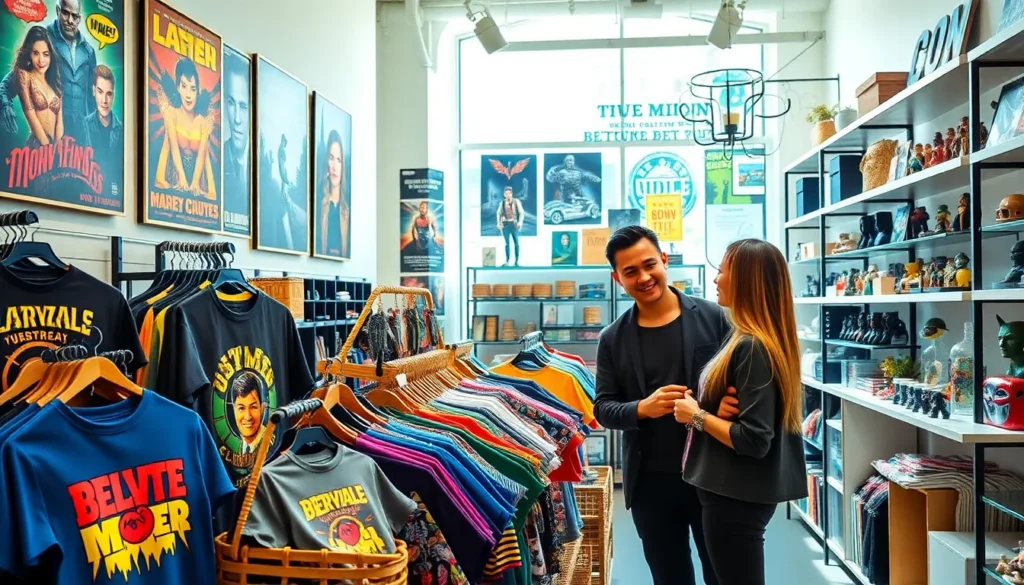
Pop culture merchandise is more than just a collection of logos: it’s a vibrant reflection of society’s ever-changing tastes and interests. If you’ve sported a T-shirt featuring a beloved movie character or decorated your space with quirky collectibles, you’re already part of this intriguing realm. From nostalgic toys that make you say, “Remember when?” to the latest hot trends that have everyone buzzing, pop culture merchandise keeps evolving. Let’s jump into its ever-expanding universe, shall we?
The Evolution Of Pop Culture Merchandise
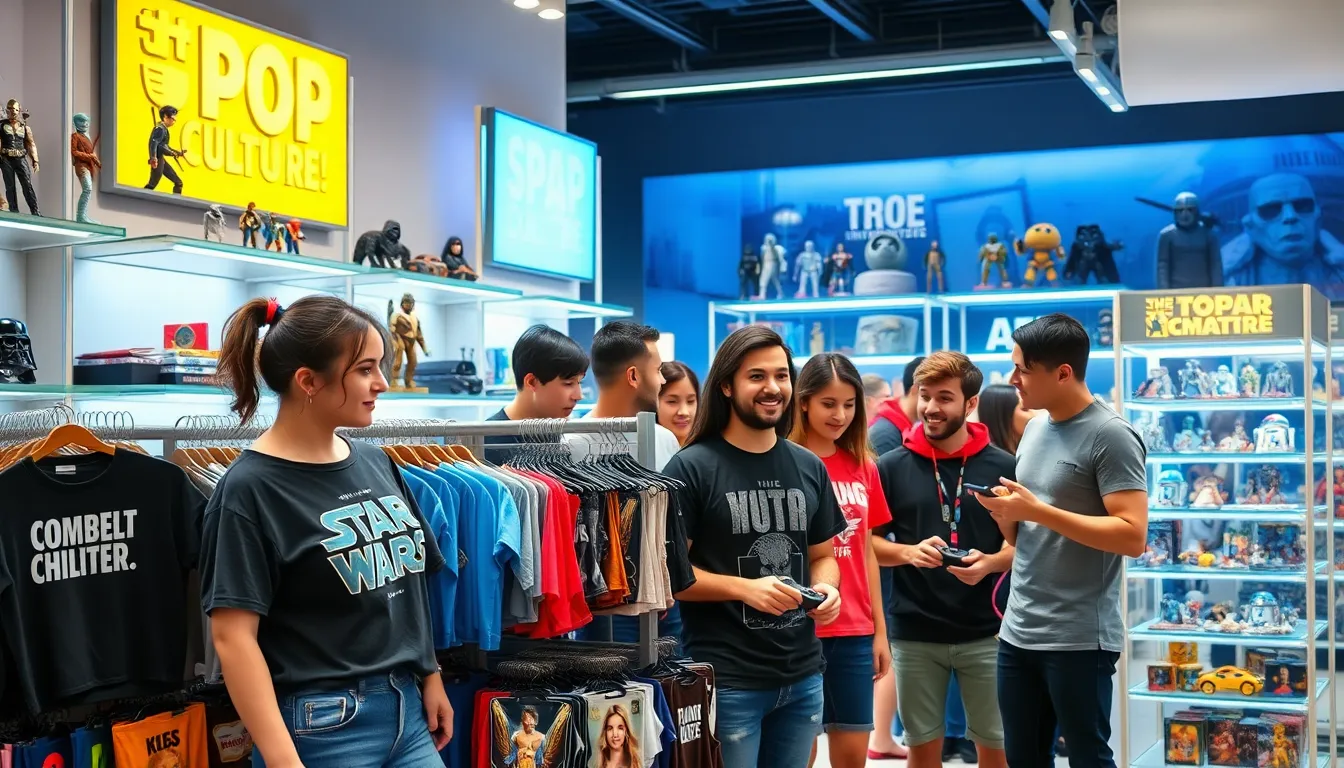
Pop culture merchandise has a rich history that mirrors the shifts in society itself. Back in the day, collectibles were largely limited to toys and comic books, often tied to specific franchises. For example, in the 1970s, Star Wars merchandise paved the way for what collectors now consider classic memorabilia.
As the years passed, the items began to diversify. Think about the rise of branded merchandise from the late 1980s to the early 2000s, a time when movies were the blockbusters we know today. Now fans could don shirts emblazoned with their favorite movie quotes and characters. But, it didn’t stop there: the dawn of the internet revolutionized how these products reached the public. E-commerce platforms provided fans access to a vast array of merchandise that previous generations could only dream of.
Today, we see merchandise across countless industries and formats. Whether it’s video games, television shows, or even music artists, each category has its unique niche and dedicated fanbase, contributing to a merchandise ecosystem that thrives more than ever.
Influential Trends In Pop Culture Merchandise
Throughout its history, several trends have significantly influenced pop culture merchandise. Perhaps the most impactful in recent years has been the rise of nostalgia-driven products. Older generations find comfort in familiar characters, while newer generations are discovering these classics for the first time.
Collaborations have also taken center stage. Well-known brands partner with franchises, creating limited-edition items that fans can’t resist. For example, think of a sneaker brand collaborating with a blockbuster film. These partnerships generate buzz, often leading to items selling out in a matter of hours.
Besides, the rise of sustainability in consumer preferences has also redefined how merchandise is produced. Eco-friendly materials and ethical production processes are no longer mere marketing buzzwords: they’re becoming essential components of a brand’s identity. Fans appreciate knowing that the merchandise they adore contributes to a greener planet.
Key Categories Of Pop Culture Merchandise
Pop culture merchandise spans various categories, each catering to specific fan bases. Here are some prominent ones:
- Clothing: Graphic tees, hoodies, and themed apparel remain staples where fans express their love for specific franchises, whether it’s a classic anime or a current hit series.
- Collectibles: Action figures, Funko Pop. figures, and limited-edition toys appeal to collectors who often seek rare or exclusive pieces.
- Home Decor: From wall art to themed kitchen accessories, these items help fans incorporate their passion into their living spaces.
- Tech and Gadgets: Merchandise isn’t limited to traditional goods. Mobile phone cases, headphones, and tech accessories are infused with pop culture themes, capturing the hearts of a tech-savvy audience.
- Games: Board games and video games rooted in beloved franchises offer interactive experiences for fans, allowing them to immerse themselves further in their favorite worlds.
The Impact Of Social Media On Merchandise Sales
Social media has become a powerhouse in the realm of pop culture merchandise sales. Platforms like Instagram, TikTok, and Twitter allow brands to connect with fans directly, creating a vibrant community around their products. These platforms serve as not just promotional avenues but also as marketplaces.
Influencers and content creators play a crucial role, often showcasing merchandise in ways that resonate with their followers. A simple unboxing video or a fashion haul can turn an obscure product into a must-have item overnight. The viral nature of social media guarantees that once an item catches on, it can lead to a stampede of demand, sometimes overwhelming retailers and leading to stock shortages.
Also, social media provides immediate feedback, allowing brands to adapt quickly to trends and preferences. This kind of responsiveness is critical in a rapidly changing market, where fans’ tastes can shift almost instantly.
Challenges In The Pop Culture Merchandise Market
Even though its vibrancy, the pop culture merchandise market faces several challenges. Counterfeit products contribute significantly to revenue loss, with duplicate items flooding the market at lower prices. This undermines the value of authentic merchandise and often deceives unwary consumers.
The dynamics of consumer engagement are always shifting, which makes understanding what fans find appealing increasingly complex. What’s trendy today could be forgotten tomorrow, and brands must find ways to stay relevant.
Logistics also poses significant hurdles, with supply chain disruptions impacting availability. Merchandise that could have taken weeks to produce now often faces delays ranging from months to years. This challenges fans who eagerly anticipate new releases, often leading to disappointment when their favorite items are delayed.
Future Trends In Pop Culture Merchandise
Looking ahead, we can expect continued evolution in pop culture merchandise. Personalization may become a key trend, allowing fans to customize products based on personal tastes. Imagine selecting your favorite quotes or character designs on apparel, creating unique items tailored just for you.
Augmented reality (AR) is also on the cusp of becoming ordinary. Brands may start utilizing AR to give consumers a virtual try-before-you-buy experience. Picture selecting a Funko Pop. and visualizing how it looks on your shelf via an app before making the purchase.
Also, the rise of fan conventions and pop-up events continues to open up new avenues for merchandise. These events foster direct interaction between fans and creators, leading to exclusive product launches and memorable experiences. With the community aspect becoming central to fandoms, brands focusing on these engagements will undoubtedly thrive.