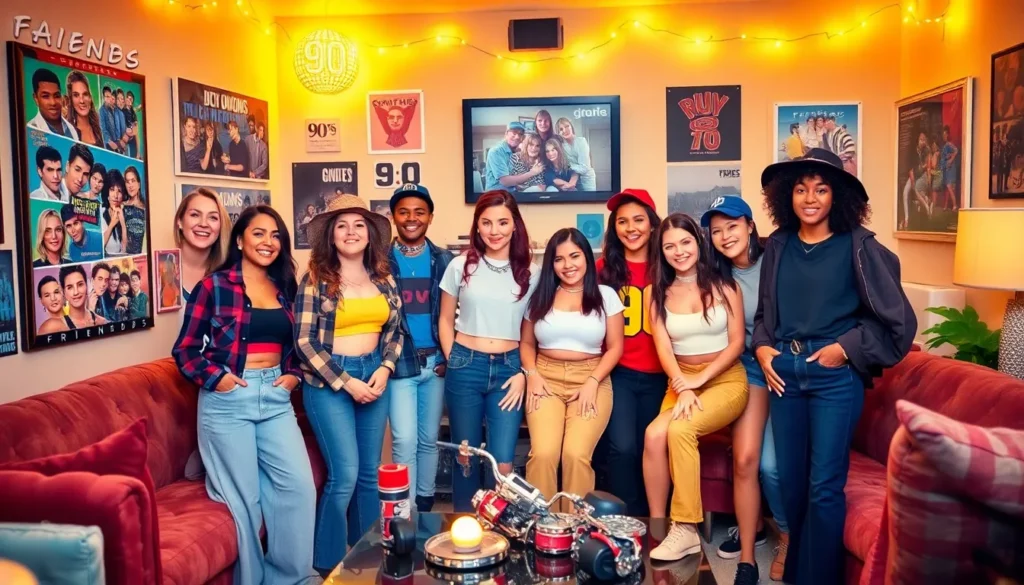
The 1990s, a decade when grunge ruled the airwaves, boy bands were all the rage, and every TV viewer couldn’t wait for the next episode of their favorite show. Think about it: when was the last time you heard a song and felt an immediate urge to dig out your old baggy jeans? 1990s pop culture was a colorful blend of music, fashion, and television that shaped an entire generation’s identity. Buckle up as we take a humorous stroll down memory lane, reminding you just how vibrant and occasionally ridiculous that era truly was.
Overview of 1990S Pop Culture
The 1990s was a dynamic decade packed with cultural milestones that reflected the era’s spirit. Emerging from the shadows of the 1980s, pop culture during this time burst forth with new ideas and creativity. The shift toward globalization influenced arts, entertainment, and media, giving rise to phenomena that still echo today.
From the catchy tunes of pop music to the heartwarming yet outrageous sitcoms, everything felt fresh and experimental. People weren’t shy about showing their true colors, literally. Neon colors splashed across wardrobes, and experimental designs found their way onto stages and screens, making everything exaggeratedly fun. This period fostered a sense of unity among fans of varying backgrounds, all coming together to embrace the next big thing.
Also, the internet’s rapid ascent began to leave its mark, setting the stage for trends that would evolve alongside technology. Oh, how the 90s ignited creativity and bridged divides, paving the way for future pop culture.
Key Trends in Fashion
Fashion in the 1990s can only be described as a delightful jumble of styles, where anything and everything went. Think about how many people insisted on wearing flannel shirts, giving grunge a minimum of a decade’s worth of influence. Bands like Nirvana and Pearl Jam slung effortlessly into the wardrobe of everyday folks, proving that every day could be a casual Friday.
But it wasn’t just grunge that shaped the fashion landscape. The ’90s also saw the rise of hip-hop culture. Baggy pants, oversized shirts, and vibrant sneakers captivated the masses, allowing people to express individuality and rebellion through their outfits. Then came the iconic crop tops and platform shoes, partly thanks to stars like Britney Spears, who inspired many to show off their midriffs.
And let’s not forget about accessories, chokers, scrunchies, and bucket hats made bold statements that still pop up today, albeit in quirky thrift shops. Overall, the fashion scene of the ’90s was like a fashion buffet, one where you could pile on any style without worrying about judgment.
Impact of Television and Film
Television in the ’90s was nothing short of revolutionary. The era produced shows that became cultural phenomena, with audiences tuning in religiously. “Friends” skyrocketed to fame, illustrating the lives of six twenty-somethings navigating adulthood, while “The Fresh Prince of Bel-Air” introduced audiences to Will Smith’s charm and laughter, all while addressing serious themes like race and identity.
Films also played a vital role in shaping pop culture during this time. Disney classics like “The Lion King” and “Aladdin” were not just box office hits: they became childhood essentials that would be sung and quoted for decades. Meanwhile, new blockbusters emerged, such as “Titanic,” which swept audiences off their feet and left major marks on the film industry.
The effects of such captivating storytelling were vast. They not only offered laughter and entertainment but also laid bare societal issues and changing norms, driving conversations everywhere, from school hallways to family dinners. The influence of ’90s television and film still lingers in popular shows and movies today, a testament to the era’s lasting cultural footprint.
Influential Music Genres and Artists
Music in the ’90s bore witness to stylistic diversity and groundbreaking artists that shook the industry to its core. Grunge rock, led by bands like Nirvana and Soundgarden, challenged the status quo, while hip-hop, championed by legends like Tupac and The Notorious B.I.G., became a voice for marginalized communities.
Pop music went through a dazzling transformation too. Artists like Britney Spears, Backstreet Boys, and Spice Girls defined a generation’s soundscape. Their catchy tunes and choreographed dance moves drew millions to concerts and music videos alike. MTV ruled the airwaves, shaping music culture and introducing the audience to an impressive array of genres and styles, showcasing how music videos could be art.
The influence of these musicians was monumental, inspiring future artists to explore new sounds and form their unique identities. The legacies left behind by these icons continue to resonate in today’s music. It’s a reminder that the ’90s were not just a decade, they were a musical revolution.
Iconic Events and Milestones
Every decade has its fair share of memorable moments, and the ’90s were rich with events that shaped society. The fall of the Berlin Wall in 1989 set the tone for the new decade, leading to a global shift in political relations and social awareness.
The rise of the internet emerged as a powerhouse of change, turning information into a commodity. AOL instant messenger transformed communication among teenagers, paving the way for a connected world. In the world of sports, the 1992 Summer Olympics in Barcelona famously featured the Dream Team, captivating audiences worldwide.
Also, milestones such as the launching of the first-ever ‘Harry Potter’ book in 1997 and the emergence of reality TV via MTV’s “The Real World” took center stage, forever altering entertainment landscapes. Whether it was pop culture defining fashion, music, or social movements, the ’90s were undeniably vibrant and diverse.
Technological Advancements and Their Influence
The ’90s also witnessed a revolution in technology that defined not just how people interacted, but also how they experienced culture. The advent of the World Wide Web transformed the landscape of communication, making information more accessible than ever.
With the release of Windows 95, personal computing took center stage in homes, ushering in an era where kids learned to use computers in school and in their everyday lives. Video game consoles like the Sony PlayStation and Nintendo 64 dominated the entertainment scene, forging bonds among friends and sparking the rise of gaming culture.
And who could forget the powerful impact of cell phones? They became less of a luxury and more of a necessity, connecting friends and families at the touch of a button. Inspired by these technological advancements, the creative world flourished, giving rise to new forms of digital content and transforming how audiences engaged with pop culture.